Learn more about Autoimmune Diseases
Path to Health

Autoimmune Diseases
Autoimmune diseases happen when the body's natural defence system could 'not recognize the difference between the body's cells and foreign cells, causing the body to attack normal cells mistakenly. Different types of autoimmune diseases affect a wide range of body parts.
The most common autoimmune diseases are Rheumatoid Arthritis, Psoriasis, Psoriatic arthritis, Lupus and Thyroid Diseases (Graves' disease, Hashimoto's thyroiditis).
The severity of symptoms in autoimmune disease is different between people. A person's symptoms are likely to relate to multiple factors that include genetics, environment, and personal health.

RHEUMATOID ARTHRITIS
Who is affected?
More than 4.6 million Canadians in the adult age group have arthritis. By 2036, this number anticipated increasing around 7.5 million Canadian adults.
The number of patients with RA is higher in developed countries and among adult women.
While RA can affect people of all ages, Usually, the disease's onset occurs between 30-50 years of age.
RHEUMATOID ARTHRITIS
Rheumatoid arthritis is a progressive immunological disease that causes chronic inflammation of the joints. RA usually affects the smaller joints in the body, such as fingers, thumbs, wrists, feet and ankles. It may also affect the entire body, including internal organs and the vascular system.
RA is a group of conditions classified as autoimmune diseases, where the body attacks its immune system mistakenly. In RA, inflammatory processes target the tissue that surrounds each joint known as the synovium. This inflammation leads to swelling and damage to cartilage and bones of the synovial-lined joints.
CELIAC DISEASE
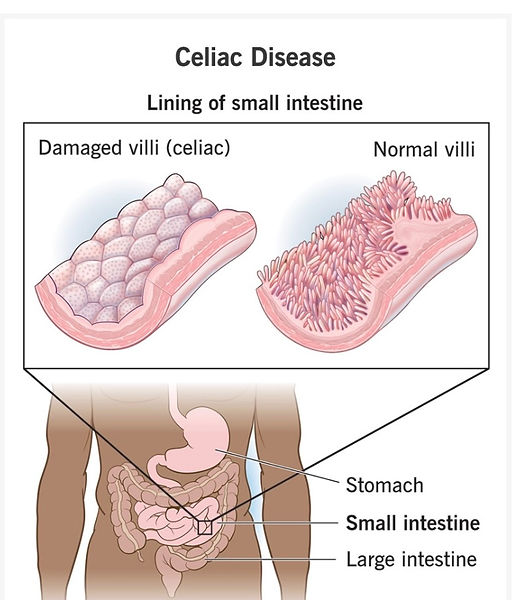
What is Celiac Disease?
Celiac disease is an autoimmune condition where eating gluten triggers damage in the small intestine, leading to digestive issues, fatigue, and nutrient deficiencies. Naturopathic care focuses on gut healing, restoring nutrient balance, and supporting your transition to a gluten-free lifestyle

HASHIMOTO'S THYROIDITIS
What is Hashimoto’s?
Hashimoto’s thyroiditis is the most common cause of hypothyroidism in North America. It is an autoimmune condition in which the immune system mistakenly attacks the thyroid gland, leading to inflammation and reduced thyroid hormone production. Over time, this can slow metabolism and affect nearly every system in the body.
Hashimoto’s is an autoimmune condition that affects the thyroid and can cause fatigue, brain fog, weight changes, and mood shifts. Naturopathic treatment focuses on calming the immune system, reducing inflammation, and supporting thyroid function through nutrition, gut healing, stress management, and targeted supplementation. Each plan is personalized to help restore balance, improve energy, and support overall well-being.
HORMONAL IMBALANCES
Hormonal imbalances can affect energy, mood, sleep, weight, skin, and overall well-being. we take a holistic approach to uncover the root causes—whether related to stress, thyroid, adrenal, or reproductive health—and create personalized plans to restore balance naturally. Through lifestyle guidance, nutrition, herbs, and targeted supplementation, we support your body’s ability to regulate hormones and bring you back to feeling your best.

Conditions treated by
Dr. Noushin Kiahosseini, ND
-
Autoimmune Disorders
-
Inflammatory Disorders
-
Skin and dermatology disorders
-
Endocrine disorders
-
Diabetes
-
Thyroid disorders
-
Hormonal imbalance
-
Nutrition•
-
Women's health, Fertility, Pre and Post-Conception care
-
Weight Management
-
Digestive Disorders and GI Balance
-
Chronic Fatigue Syndrome and Fibromyalgia
Tests Completed by Dr. Noushin Kiahosseini, ND
-
Food Sensitivity
-
GI360
-
Candida Test
-
Hormonal Assessment
-
Organic Acids
-
Environmental Pollutants
-
And more tests based on the conditions
Alternative Health Treatments
A Unique Approach


Naturopathic treatment
Researches support the efficacy of reducing pain from arthritis for acupuncture, devil's claw, avocado/soybean unsaponifiables, Phytodolor and capsaicin, and chondroitin, glucosamine, and SAMe. Strong support exists for gamma-linolenic acid (GLA) for the pain of rheumatoid arthritis (RA).
